
The SeekIR® sensor suite flies on autonomous drones to measure methane and carbon dioxide source by source, onshore and offshore. Each survey returns emission rates with stated uncertainty bounds, mapped to the framework you report under.
Each figure below carries its source. Detailed test conditions are available on request.
One survey produces everything your LDAR, ESG, and regulatory teams need — no stitched-together vendors.
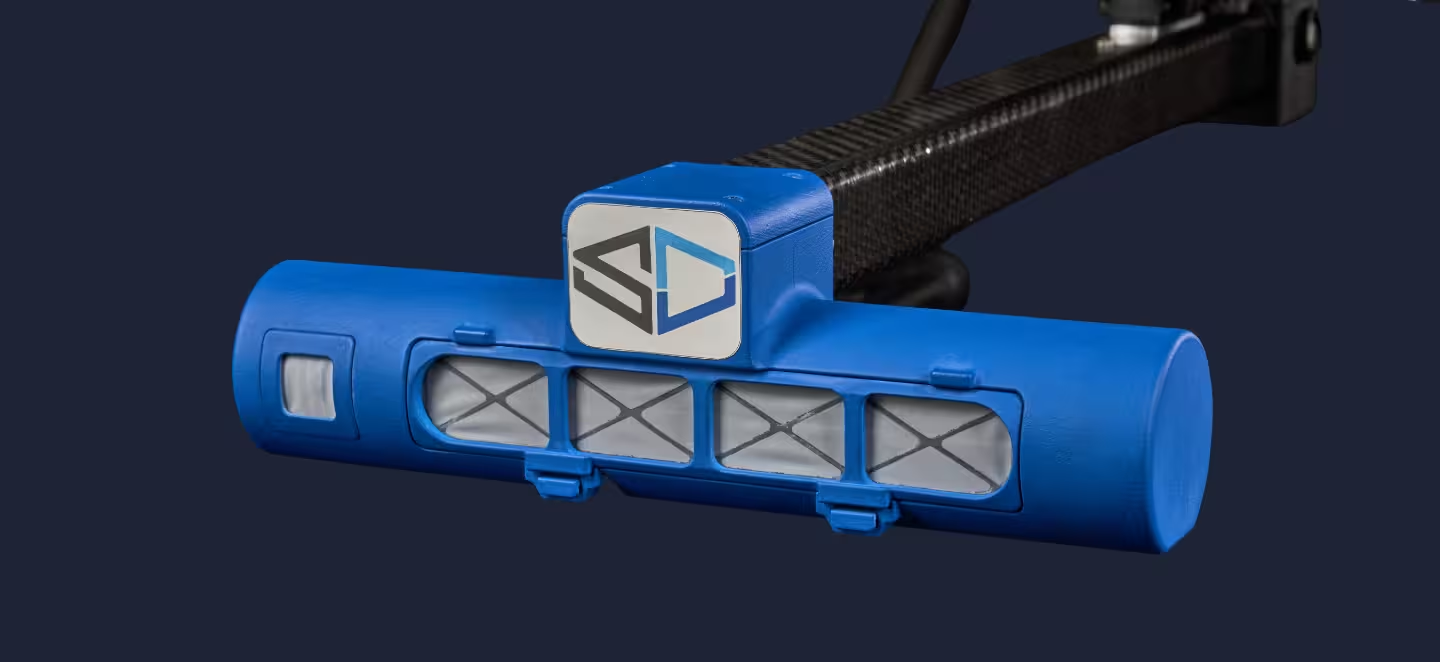
Autonomous drones carry the SeekIR® sensor suite over tanks, flares, digesters, and offshore platforms, measuring methane, carbon dioxide, and 3D temperature profiles. No shutdowns and no scaffolding required. Readings stream live to the ground station through FASTR, our real-time telemetry link.
Parts-per-billion sensitivity from tunable diode laser absorption spectroscopy (TDLAS), combined with wind and flux modeling, turns each detection into an emission rate with a stated uncertainty bound. This is LDAQ®: leak detection and quantification.
Celsius, our reporting analytics software, reconciles measured emissions against your inventory and generates deliverables mapped to regulation (OGMP 2.0 Levels 4 and 5, the EU Methane Regulation) and to voluntary frameworks such as ONE Future and GTI Veritas, as well as MiQ gas certification.
The SeekIR® sensor suite descends from the tunable diode laser absorption spectrometer (TDLAS) developed for the Curiosity rover. We hardened it for oil fields instead of Mars — and built a full measurement stack around it.
Industry-leading tunable diode laser absorption spectroscopy measures methane and carbon dioxide at ppb-level sensitivity — plus 3D temperature profiling for full site characterization. Drone-agnostic, field-proven from the North Sea to the Permian.
Live gas concentration and telemetry streaming from sky to screen, so crews confirm findings before the drone lands.
Reconciliation reporting that compares measured vs. inventoried emissions and packages defensible submissions for every framework.
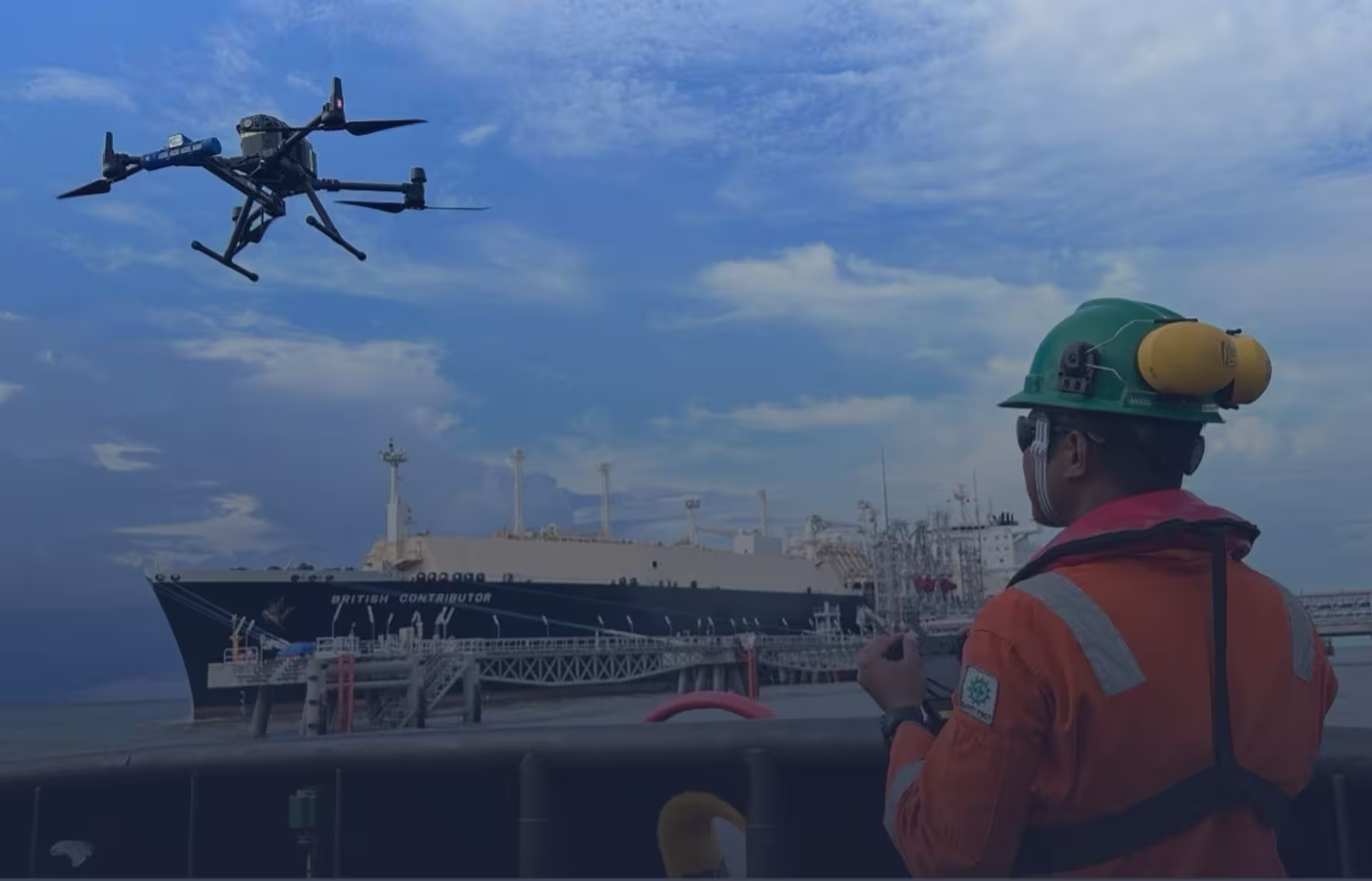
Well pads, pipelines and their interface points, and offshore platforms.
Explore →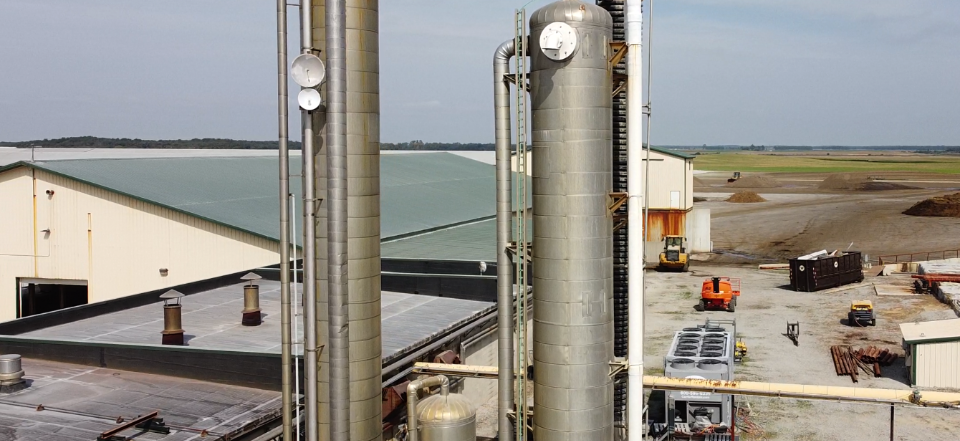
Verify digester integrity, protect saleable product, and support carbon credits.
Explore →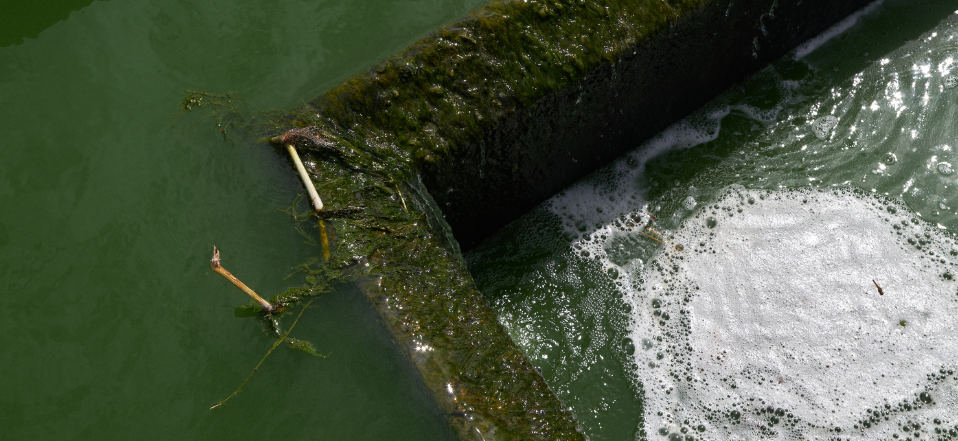
Repeatable aerial monitoring of landfill gas systems, replacing walking surveys.
Explore →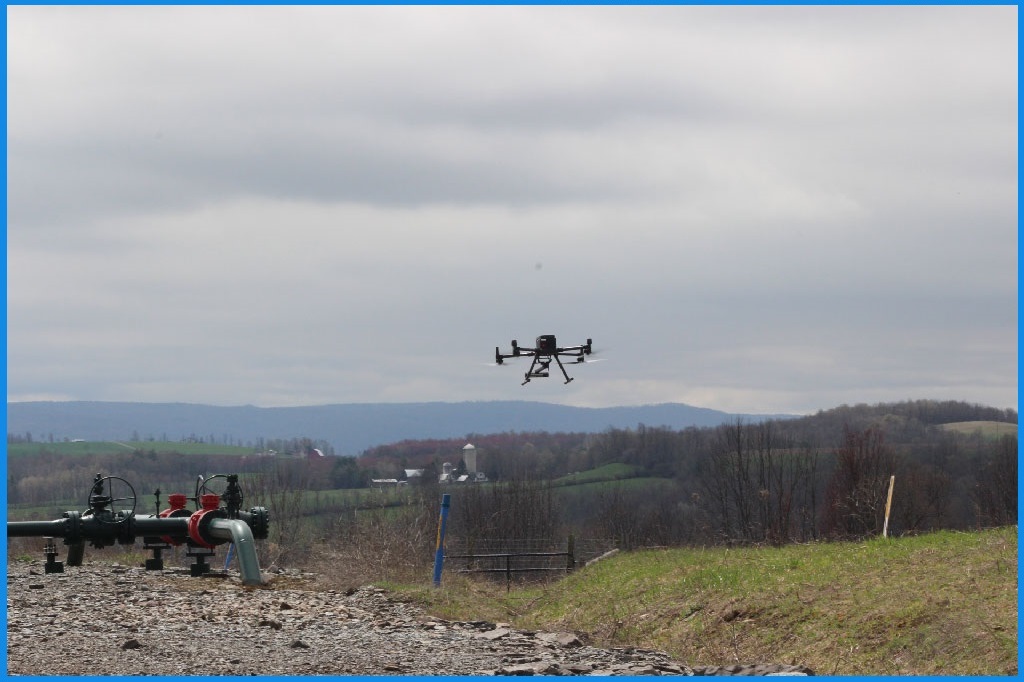
Compressor stations, gas storage, and metering and regulating (M&R) stations.
Explore →Vendors claim accuracy. We publish ours — in peer-reviewed journals, blind trials, and regulatory filings.
Evaluated in the Stanford/EDF Mobile Monitoring Challenge at Colorado State University’s METEC facility. Results were published in the peer-reviewed journal Elementa.
Elementa: Science of the Anthropocene, 2019First unmanned aerial system approved under Alberta’s Alt-FEMP and Colorado’s AIMM program. These approvals set the regulatory precedent for drone-based measurement.
Alberta Energy Regulator · CDPHESeekIR® sensors flew the first operational offshore aerial methane monitoring campaign at BP’s Clair Phase 1, West of Shetland, with FlyLogix operating the aircraft. The program has since extended across the UK Continental Shelf, Norway, the Netherlands, and Denmark.
BP North Sea, 2019Formally assessed for compatibility with the MiQ methane certification standard, supporting certified-gas programs alongside OGMP 2.0 reporting.
MiQ, March 2024Offshore Achievement Award for Carbon Reduction (2023), ADIPEC Oil & Gas Start-up of the Year (2022), and ONE Future Technology of the Year — Production (2022).
SPE Aberdeen · ADIPEC · ONE FuturePortfolio company of OGCI Climate Investments, the decarbonization fund backed by the world’s largest energy operators. SeekOps closed its $14M Series B in 2021.
Climate Investment · Business WireTell us about your sites and reporting requirements. We'll scope a survey program and show you what the data will look like.
Get in touch